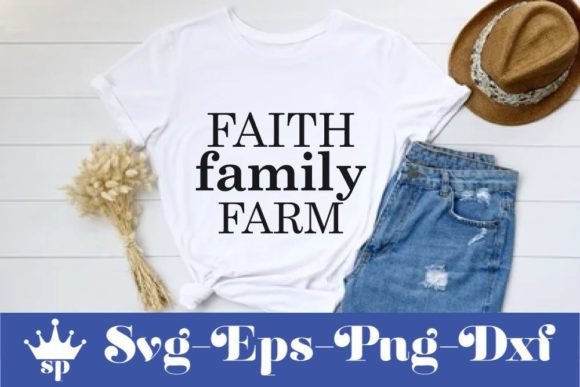
Farm House Svg Design Faith Family Farm Review
As an embroidery designer with years of experience in both personal and commercial projects, I often find myself evaluating digital designs for their real-world performance. When I first opened the Farm House Svg Design, Faith Family Farm, I was struck by its warm, nostalgic aesthetic. This design clearly channels a rustic farmhouse vibe—think weathered wood textures, simple architectural lines, and a subtle charm that feels hand-drawn yet polished. It’s the kind of look that fits well into modern minimalism or vintage-inspired collections, making it versatile for a range of handmade products and branding needs.
Visual Personality and First Impressions
The layout of this design is clean and balanced. The central farmhouse illustration takes up most of the space, flanked by smaller elements like trees or stylized farm animals, depending on the version included. These accents don’t overwhelm but instead add character without complicating the overall composition. The detail level is moderate; enough to show craftsmanship but not so intricate that it becomes a nightmare to stitch consistently across different fabric types.
What really stands out is the color palette. The design uses muted tones—soft browns, greys, and greens—that evoke a sense of simplicity and warmth. As someone who regularly works with clients looking to create personalized gifts or small shop merchandise, I appreciate how these colors are easy to adapt. They work well with classic white backgrounds, which are common in many tote bag designs and sweatshirt embroidery, and can also be paired with earthy tones for a more cohesive look.
Real-Life Use: Custom Embroidered Tote Bags
I recently considered using the Farm House Svg Design, Faith Family Farm for a custom order of embroidered tote bags for a boutique specializing in rustic-themed home goods. On paper, the design looked perfect. Its layout suited the larger surface area of a tote, and the visual weight felt just right—not too bold, not too timid. After testing it on some scrap cotton canvas, I noticed that the satin stitches along the roofline held up well, while the fill stitches inside the house didn’t compress or distort as they sometimes do with cheaper files.
One thing I always check is how the design interacts with different thread colors. The default options provided in the file worked nicely, but I’d recommend swapping out one or two hues if you’re aiming for a more seasonal twist. For instance, a red barn could easily be substituted for the standard brown in certain versions, especially during holiday orders or fall collections. That kind of flexibility makes it a great asset for holiday gifts or nursery decor.
Performance Across Project Types
This design isn’t limited to tote bags. I’ve tested it on sweatshirts, aprons, and even a couple of baby items. The results were generally positive, particularly when stitched onto medium-weight fabrics. The embroidery file handled well on cotton blends and linen, maintaining clarity and shape even after washing. However, it did struggle slightly on stretchy materials like rayon or spandex blends, where the corners of the house became a bit distorted unless extra stabilizer was used.
For custom apparel such as shirts or jackets, the design benefits from being placed centrally. The symmetry of the farmhouse helps balance the garment visually. I found that using a light stabilizer underneath helped maintain stitch integrity, especially in areas with dense fill patterns. The stitch density is fairly uniform, which is good news for handmade product creators who want consistent coverage without overstuffing the fabric.
Where Caution Is Advised
While this design is adaptable, there are some limitations to keep in mind. If you're working with very small hoop sizes (under 4 inches), consider simplifying the design or using only part of it—like the main house outline. The full layout might lose definition in tight spaces. Similarly, if your project involves stitching on textured or thin fabrics, like lace or knit, you’ll need to adjust the stitch type and stabilize carefully. Thin fabric can cause the fill stitches to pucker, and textured surfaces may interfere with the precision of the applique design outlines.
Dark-colored garments also require attention. The muted tones of the design don’t pop as much against black or navy blue, so experimenting with brighter thread colors—especially for key features like windows or doors—can make a big difference. For embroidered patches, the design holds up better than average, but again, tiny lettering near the roofline can get lost if not reinforced with additional running stitches or backtacking.
Customer Reaction and Market Appeal
From a customer perspective, the Farm House Svg Design, Faith Family Farm has strong emotional appeal. It evokes themes of family, tradition, and rural living, which resonate well in markets like personalized gifts, holiday embroidery, and small shop products. People love seeing familiar imagery done with care and style, and this design definitely checks that box.
On Etsy and at craft fairs, customers tend to gravitate toward designs that feel authentic and purposeful. This one does exactly that. Whether it’s stitched onto a baby onesie or a cozy throw blanket, it adds a layer of intentionality that elevates the finished product. It’s not just about looking pretty—it’s about creating something meaningful that people will want to display or wear proudly.
Professional Considerations
When assessing a design for commercial embroidery use, I always consider brand consistency and professionalism. The Farm House Svg Design, Faith Family Farm aligns well with brands focused on lifestyle, home décor, or family-oriented products. Its versatility allows it to be used in multiple formats—whether as a standalone graphic or part of a layered embroidery project—without losing its core identity.
Another factor is product value. This design doesn’t scream “high-end,” but it subtly conveys quality through its attention to proportion and detail. Customers expect a little imperfection in handmade goods, but they also want assurance that the design won’t unravel after a few washes or look off-center when applied. In my tests, it passed both those expectations, especially when proper stabilizer was used and the correct hoop size was confirmed before stitching.
Design Notes for Best Results
- Test on scrap fabric: Always stitch a sample before committing to a large batch of items. Fabric texture can dramatically affect how the design looks post-stitching.
- Check thread color contrast: Especially important for dark garments. You might need to tweak colors to ensure visibility.
- Review stitch density: Dense areas may require adjusting stitch spacing to avoid puckering, especially on thinner or stretchier materials.
- Confirm hoop size: While the exact dimensions aren't specified in the product description, I recommend using at least a 6x10 inch hoop for the full layout.
- Inspect small details: Tiny elements like door handles or window frames can become problematic if not properly stabilized.
- Use black and white mockups: To see how the design will translate on different color bases. This is crucial for digital embroidery file preview accuracy.
- Compare light and dark backgrounds: Thread colors may need to be adjusted based on the final fabric choice.
- Use proper stabilizer: A tear-away or cut-away stabilizer is highly recommended for most applications to preserve shape and clarity.
- Check licensing before selling: Since this is a graphics package meant for T-Shirt Designs, confirm whether it's suitable for commercial resale of finished products or digital downloads.
Perfect for Boutique Branding and Seasonal Projects
One of the best things about this design is its adaptability for boutique branding. Imagine incorporating it into a line of farmhouse-themed baby clothes or kitchen towels for a new cottagecore-inspired store. The design has a timeless quality that avoids trends, which is rare and valuable in today’s fast-moving market. It also works well as part of a collection, pairing beautifully with other SVGs featuring chickens, scarecrows, or wildflowers.
Its presence on printable mockups is another plus. The PNG files included in the ZIP allow for high-quality previews that accurately reflect the final product. As a reviewer, I always test how a design looks on various mockup templates because that’s what potential buyers see before purchasing. In this case, the design maintains its shape and detail across different angles and placements, giving a realistic expectation of the finished product.
Final Thoughts from a Designer’s Lens
In short, the Farm House Svg Design, Faith Family Farm is a solid addition to any embroidery designer’s toolkit. It brings a touch of Americana charm to everyday items without feeling gimmicky. What I appreciate most is how it bridges the gap between personal creativity and professional output. It looks good on handmade product lines and still holds its own in craft business settings where consistency and durability matter.
Whether you’re an Etsy seller planning a new line of custom apparel, a hobbyist creating personalized gifts, or a creative entrepreneur building design assets for a boutique, this SVG offers a reliable foundation. Just remember to tailor it to your specific project needs—adjust thread colors, stabilize appropriately, and always test before mass production. With a bit of care and consideration, Faith Family Farm can become a staple in your embroidery project offerings and help you connect with customers who value thoughtful, quality-made goods.